
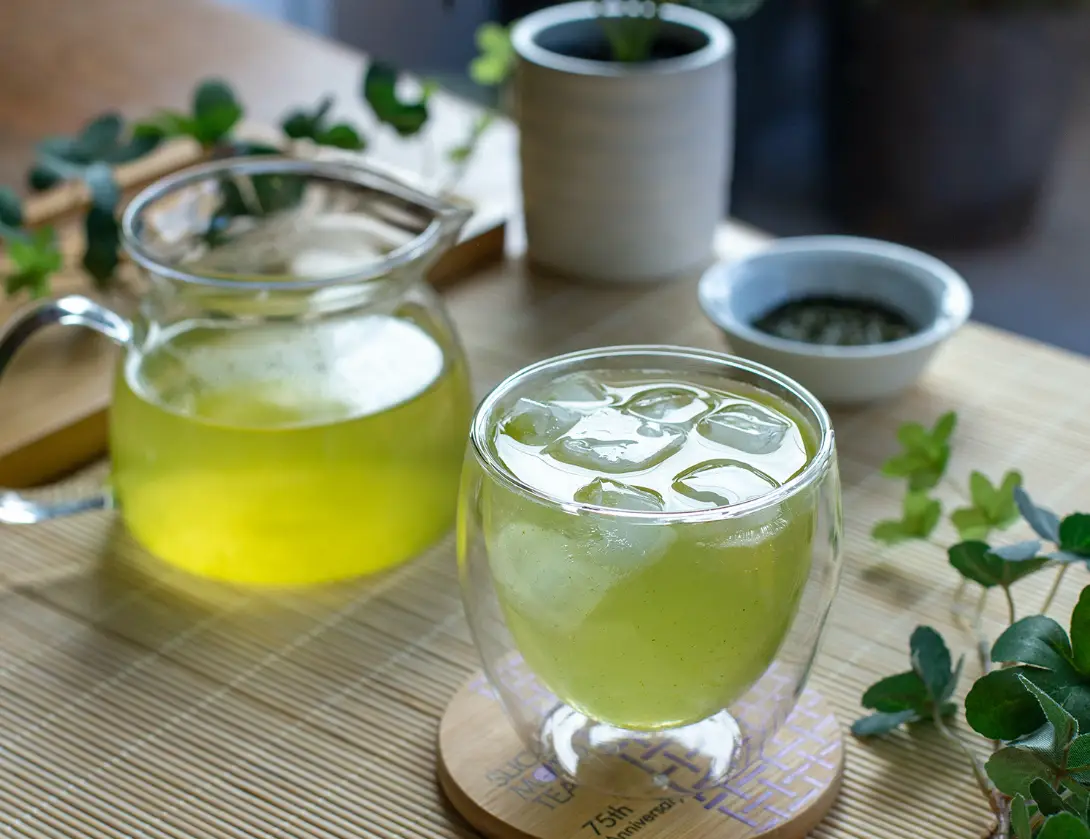
How to Cold Brew Sencha for a Clear, Sweet Cup

Cold-brewed sencha has a different character from the hot cup many people know. Cool water draws out sweetness, fresh green aromatics, and a smooth umami quality while holding back much of the sharp astringency that can come from water that is too hot. Once you know how to cold brew sencha, a thoughtful Japanese tea ritual can fit easily into a warm afternoon, a workday, or a meal.
The secret is not complicated equipment. It is good leaves, clean water, enough time, and a little attention to the balance between them. Sencha is a crafted agricultural tea, and cold brewing gives its quieter notes room to appear.
What Cold Water Brings Out in Sencha
Sencha is steamed soon after harvest, a defining part of Japanese green tea craftsmanship that preserves its bright green color and vivid, vegetal fragrance. When brewed hot, it can offer briskness alongside its sweetness and umami. Cold water changes that balance.
The cooler temperature extracts tea compounds gradually. The resulting cup is often mellow, lightly savory, and naturally sweet, with aromas that may suggest fresh grass, tender greens, or a hint of sea air. It can be especially welcoming for newer green tea drinkers who find a very hot sencha too bitter.
That does not mean cold brew is automatically better. A hot brew can reveal more immediate fragrance, structure, and energy, particularly with a fine, delicate sencha. Cold brewing is simply a different preparation, one that favors softness and clarity. The leaf still matters greatly. A trusted sencha with careful cultivation and processing will give a cleaner, more expressive cup than tired leaves that have been sitting too long.
How to Cold Brew Sencha at Home
For a reliable starting point, use 1 tablespoon of loose-leaf sencha, roughly 5 to 7 grams, for every 16 ounces of cold filtered water. This creates a refreshing everyday brew with enough body to taste the tea's character. If you prefer a more concentrated cup, use 8 to 10 grams of leaf per 16 ounces instead.
A glass bottle, pitcher, or jar with a lid works well. A fine strainer is all you need for serving.
Start with cool, fresh water
Use cold filtered water if possible. Since there is no heat to soften strong mineral flavors or chlorine, water quality is easy to notice in a cold brew. Fill your vessel with 16 ounces of water, add the sencha, and make sure the leaves are fully wet. There is no need to stir aggressively, but one gentle swirl helps the leaves begin to open.
Steep in the refrigerator
Cover the vessel and refrigerate it for 4 to 6 hours. This is the sweet spot for many everyday senchas. At four hours, expect a lighter, bright cup. At six hours, the tea will have more body and deeper green flavor.
For a bolder brew, steep for 8 hours or overnight. This works well with fuller-bodied sencha, but it is worth tasting before leaving every tea that long. Some fine, deeply steamed senchas release more small leaf particles and can become cloudy or slightly more astringent with an extended steep. The cloudiness is not a flaw, but shortening the time may produce a cleaner flavor if that is your preference.
Strain completely and serve
Once the tea tastes right, strain out the leaves rather than leaving them in the water. This stops extraction and helps keep the cup balanced. Serve the sencha chilled, either straight from the refrigerator or over a small amount of ice.
Taste it before adding anything else. A quality Japanese sencha should have enough personality on its own. If you would like a brighter summer-style drink, a thin slice of lemon can work, though it will cover some of the tea's subtle umami. Avoid adding sweetener until you have tried the tea plain. Cold brewing often reveals a gentle sweetness that hot brewing can hide.
A Simple Ratio to Remember
The easiest ratio is 1 tablespoon of sencha to 16 ounces of water, steeped for 4 to 6 hours in the refrigerator. Once this becomes familiar, adjust one variable at a time.
Use more leaf, not dramatically more time, when you want a stronger cup. Increase the leaf amount to 2 tablespoons per 16 ounces for an iced tea that will be poured over plenty of ice. If the tea seems too light, try 7 or 8 grams of leaf on your next batch. If it seems too grassy, heavy, or drying on the palate, use a little less leaf or strain it sooner.
Leaf style also affects the result. Fine-leaf, fukamushi-style sencha can infuse quickly and creates a rich green liquor, while larger, needle-like leaves may need more time to develop. There is no single timing that suits every sencha, which is part of the pleasure of brewing tea with attention.
Room-Temperature Brewing vs. Refrigerator Brewing
Some tea drinkers prepare sencha with cool water at room temperature, often for a shorter period of 1 to 3 hours. This can be enjoyable when you want tea sooner, and it may produce a more aromatic cup than a refrigerator brew.
For regular home preparation, refrigeration is the wiser choice. It offers a slower, steadier extraction and keeps the tea at a safer temperature while it steeps. During hot weather, especially, leaving tea on the counter for many hours is not ideal. Keep the process simple: brew chilled, strain chilled, and return the finished tea to the refrigerator promptly.
Fresh cold-brewed sencha is best within 24 hours, when its fragrance and sweetness are most alive. It can usually be kept refrigerated for up to 48 hours in a clean, covered container, but its character will gradually flatten. Make smaller batches if you can. Tea prepared with care is at its most generous when it is fresh.
Try Ice Brewing for a More Concentrated Cup
If you enjoy pronounced sweetness and umami, try ice brewing, known in Japanese tea preparation as kōridashi. Rather than steeping leaves in a full pitcher of water, place 8 to 10 grams of sencha in a small teapot or glass vessel and cover them with ice cubes. As the ice melts slowly, it draws out a concentrated, silky tea.
This method takes patience. Depending on the amount of ice and room temperature, it may take 1 to 3 hours. The yield is small, often only a few ounces, but the flavor can be remarkably vivid. Use a high-quality sencha for this preparation, ideally one whose origin and producer are known. The method is not meant to stretch inexpensive leaves. It is meant to savor the craftsmanship in them.
Pour the finished tea into a small glass and notice how it changes as it warms slightly. You may find a fuller savory note near the first sip, followed by a clean sweetness that lingers.
Common Cold-Brew Sencha Mistakes
The most common disappointment is using too little leaf. Cold water is gentle, and a few scattered leaves in a large pitcher will make flavored water rather than tea. Measure at least 5 grams per 16 ounces and adjust from there.
The second is steeping indefinitely. More time does not always create more refinement. Once the tea has developed sufficient body, strain it. This is especially helpful with broken or finely processed leaves.
Finally, do not judge cold-brewed sencha by the same expectations as hot tea. It may look paler, smell more restrained, and feel lighter at first. Give it a moment on the palate. Its appeal is its poise: green, clean, calm, and quietly complex.
A chilled glass of sencha can turn an ordinary pause into a small act of attention. Choose leaves with genuine quality, let cool water do its patient work, and allow the character of the tea to speak before changing it.
At Hasegawa Trading Co., we offer convenient Cold Brew Sencha Green Tea Bags in three refreshing flavours: Lemon, White Peach, and Shizuoka Mandarin Orange. Easy to prepare with cold water, they’re a refreshing choice to enjoy throughout the year.
Visit our online shop and discover your favourite flavour. https://www.hasegawatradingco.com/category/flavored-tea


Comments