

Does Ceremonial Matcha Have Caffeine? Yes.

A bowl of ceremonial matcha can make a quiet morning feel more awake without the sharp rush some people associate with coffee. So, does ceremonial matcha have caffeine? Yes. Because matcha is made by whisking powdered whole tea leaves into water, you consume the leaf itself rather than simply steeping it. That gives matcha a meaningful amount of caffeine, along with the naturally occurring compounds that shape how its energy feels.
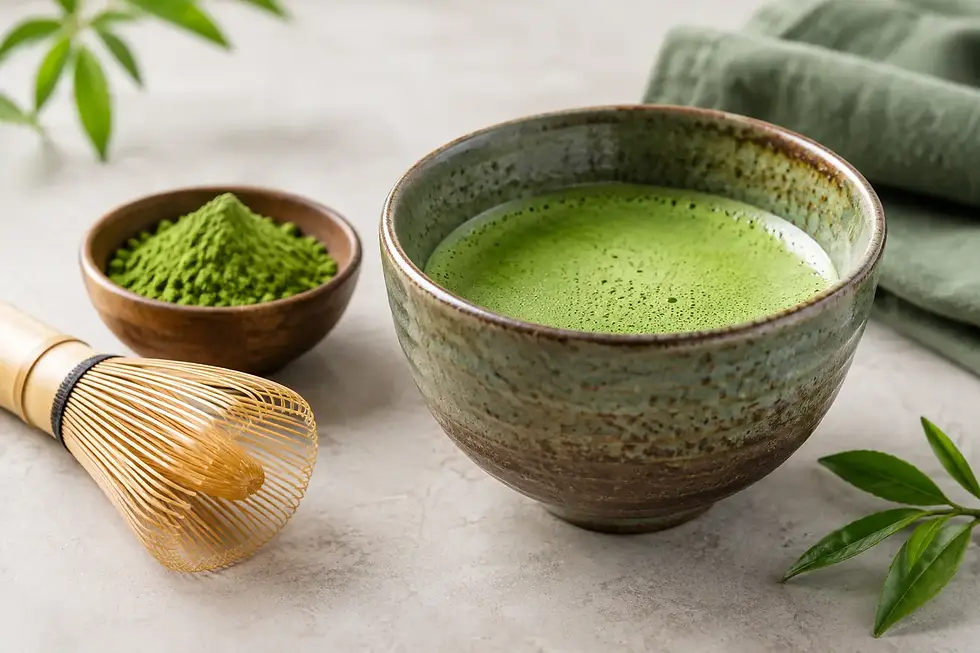
For many tea drinkers, that distinction is the appeal. Ceremonial matcha offers alertness with a sense of ritual: measure the powder, add warm water, whisk until smooth, and take a moment before the day begins. Its character comes not only from caffeine, but from careful cultivation, shade growing, and Japanese tea craftsmanship.
Does ceremonial matcha have caffeine, and how much?
A typical serving of ceremonial matcha contains roughly 38 to 70 milligrams of caffeine. The actual amount depends on the amount of powder used, the cultivar, the growing conditions, and how finely the tea is milled. A traditional bowl often uses 1 to 2 grams of matcha, while a larger latte may use more.
For perspective, an 8-ounce cup of brewed coffee commonly contains about 80 to 100 milligrams of caffeine, though coffee can vary widely. A cup of brewed green tea generally contains less caffeine than matcha because the leaves are removed after steeping. With matcha, the whole leaf remains in the cup.
Ceremonial grade does not mean caffeine-free or necessarily higher in caffeine than every other matcha. The term generally refers to matcha selected for drinking with water, valued for a fine texture, balanced umami, gentle sweetness, and minimal bitterness. Its caffeine level is still influenced by the tea itself and the portion you prepare.
Why matcha energy can feel different from coffee
Caffeine is only part of the experience. Matcha naturally contains L-theanine, an amino acid found in tea leaves. L-theanine is associated with a calm, focused feeling, and it is one reason many people describe matcha as providing steadier energy than coffee.
The effect is personal, not guaranteed. Some people feel clear and settled after a bowl of matcha; others are sensitive to any caffeinated drink and may still feel jittery, especially on an empty stomach or after a large serving. Sleep, food, stress, medication, and your usual caffeine intake all affect the experience.
Shade growing is central to this story. Before harvest, leaves intended for matcha are covered from direct sunlight for several weeks. The plants respond by developing more chlorophyll and preserving compounds including L-theanine. This is part of what gives well-made matcha its vivid green color, savory depth, and rounded character.
When tea is grown with care and processed skillfully, the result is more than a quick source of energy. It is a crafted agricultural product, carrying the conditions of its field and the judgment of the producer.
Ceremonial matcha versus culinary matcha
Both ceremonial and culinary matcha contain caffeine because both are powdered green tea. The difference is primarily in intended use, flavor profile, and selection.
Ceremonial matcha is usually chosen for drinking simply with water. It should whisk into a smooth bowl with a lively green color, soft umami, and a clean finish. Culinary matcha is often made for lattes, baking, smoothies, and desserts, where milk, sweeteners, or other ingredients share the stage. It may have a more assertive, slightly bitter profile that stands up well in recipes.
That does not make one category universally better. If you enjoy a morning matcha latte, a quality culinary or latte-style matcha can be an excellent choice. If you want to appreciate the delicate flavor and aroma of the tea on its own, ceremonial matcha is usually the better fit. In either case, adjust your serving size if you are managing caffeine.
How to enjoy matcha with caffeine in mind
The most thoughtful approach is to treat matcha as you would any caffeinated beverage: know your portion, pay attention to your response, and choose a time of day that supports your routine.
For a lighter serving, begin with about 1 gram of matcha, or approximately half a teaspoon, whisked with 2 to 3 ounces of warm water. This makes a small, balanced bowl and lets you learn how the tea feels in your system. A fuller traditional serving of 2 grams offers richer flavor and more caffeine.
Morning is a natural time for many people to drink matcha. The focus can be welcome before work, study, or exercise. If caffeine affects your sleep, consider having matcha earlier in the day. Caffeine can remain in the body for hours, even when the immediate feeling of alertness has softened.
Having matcha with breakfast or after a light meal may also be gentler for those who experience nausea from green tea on an empty stomach. The tea's tannins can bother some sensitive stomachs. A little food often makes the ritual more comfortable without taking away from the tea.
Avoid using boiling water. Water around 175°F is a good starting point for ceremonial matcha. Excessively hot water can draw out harshness and mute the tea's natural sweetness. Sift the powder if you can, then whisk briskly in a zigzag motion until a fine foam forms. This preparation does not remove caffeine, but it helps reveal the genuine quality of the leaf.
Does origin affect ceremonial matcha?
Origin matters because matcha is not a generic green powder. Soil, climate, cultivar, shading practices, harvest timing, steaming, drying, and stone milling all influence the cup. In Shizuoka, a region with a long history of Japanese tea cultivation, producers bring deep local knowledge to each stage of that process.
Traceability also gives drinkers a clearer sense of what they are choosing. A trusted tea should have a real place behind it, not only a bright package or broad wellness claim. Hasegawa Trading Co. is built around that connection, bringing carefully sourced Shizuoka tea to customers who value the people, fields, and craftsmanship behind their daily cup.
Caffeine content cannot be judged precisely by color alone, and a darker or brighter powder is not a laboratory measurement. Still, fresh, properly stored matcha from a thoughtful producer is more likely to deliver the flavor, aroma, and balanced character that make drinking it worthwhile. Store it tightly sealed, away from heat, light, and moisture, and enjoy it while it is fresh.
Who should be cautious with matcha caffeine?
Most healthy adults can enjoy moderate amounts of matcha as part of their usual caffeine intake. But a smaller serving, or a conversation with a healthcare professional, is wise if you are pregnant, breastfeeding, managing anxiety, prone to heart palpitations, highly caffeine-sensitive, or taking medication that may interact with caffeine or green tea compounds.
Children and teens also have lower recommended caffeine limits than adults. A ceremonial bowl may look modest, but it is still a concentrated tea preparation. Decaf is not common in traditional matcha, so choosing a naturally low-caffeine herbal tea later in the day may be a better option for some households.
The pleasure of ceremonial matcha is not found in chasing the strongest possible lift. Let the bowl meet the pace of your day: a measured portion, warm water, a few careful whisks, and a moment to notice the grassy sweetness and gentle umami before the next task calls.


Comments