
The Art of Japanese Tea Production: Behind the Scenes

Japanese tea is more than just a beverage; it is a cultural experience steeped in tradition and artistry. From the lush green fields to the delicate tea ceremonies, every step in the production of Japanese tea is a testament to the dedication and craftsmanship of its producers. In this blog post, we will explore the intricate process of Japanese tea production, uncovering the secrets behind this beloved drink.

Understanding the Types of Japanese Tea
Before diving into the production process, it's essential to understand the different types of Japanese tea. Each variety has its unique flavor profile, aroma, and health benefits. Here are the most popular types:
Sencha
Sencha is the most widely consumed tea in Japan. It is made from steamed tea leaves, which gives it a fresh, grassy flavor. The production process involves:
Harvesting: The first flush of leaves is picked in spring.
Steaming: Leaves are steamed to prevent oxidation.
Rolling: The leaves are rolled into thin strands.
Drying: Finally, the leaves are dried to lock in flavor.
Matcha
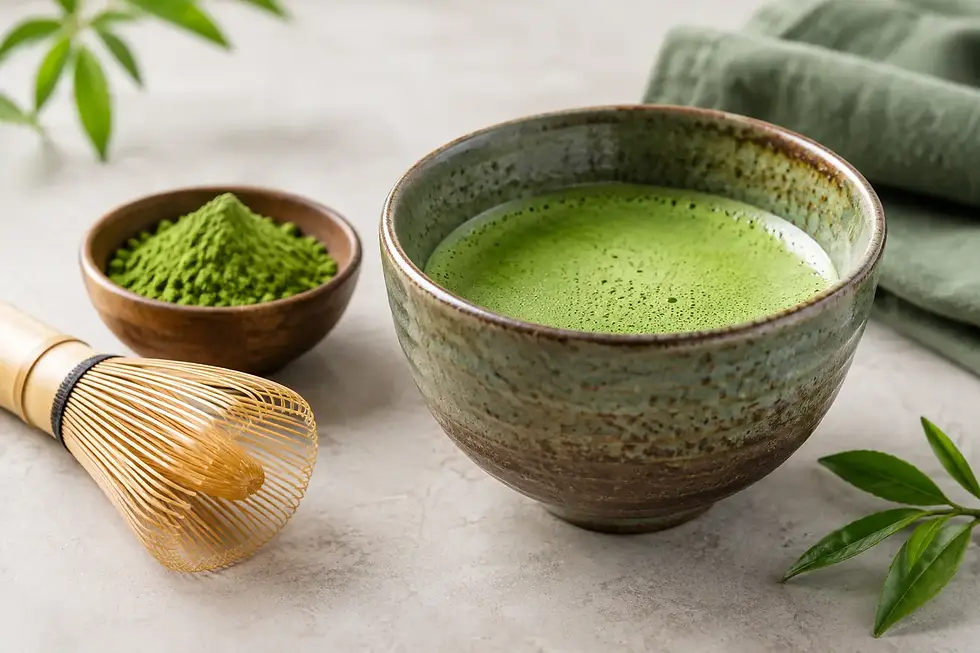
Matcha is a finely ground powder made from shade-grown tea leaves. It is known for its vibrant green color and rich umami flavor. The production process includes:
Shading: Tea plants are covered for several weeks before harvest to enhance chlorophyll production.
Harvesting: Only the youngest leaves are picked.
Steaming and Drying: Similar to Sencha, but the leaves are then ground into a fine powder.
Gyokuro
Gyokuro is a premium green tea that is also shade-grown. It has a sweet, delicate flavor and is often enjoyed in tea ceremonies. The production process is similar to Matcha but involves:
Longer shading: Gyokuro is shaded for a longer period, resulting in a more intense flavor.
Careful harvesting: Only the top leaves are selected.
The Harvesting Process
The harvesting of tea leaves is a crucial step in the production of Japanese tea. The timing and method of harvesting can significantly impact the flavor and quality of the tea.
Timing
Tea leaves are typically harvested in the spring, with the first flush being the most prized. The timing can vary depending on the region and climate. For example, in Uji, a famous tea-producing area, the first harvest usually occurs in late April to early May.
Methods
There are two primary methods for harvesting tea leaves:
Hand-picking: This traditional method allows for selective harvesting of the best leaves. Skilled workers can choose only the top leaves, ensuring high quality.
Mechanical harvesting: This method is faster and more efficient but can result in lower quality as it may include older leaves and stems.
The Processing Techniques
Once the tea leaves are harvested, they undergo several processing techniques to develop their unique flavors and characteristics.
Steaming
Steaming is a critical step in Japanese tea production. It helps to preserve the green color and fresh flavor of the leaves. The steaming process typically lasts between 15 to 60 seconds, depending on the type of tea being produced.
Rolling
After steaming, the leaves are rolled to break down the cell walls and release essential oils. This process also shapes the leaves into their final form. The rolling technique can vary, with some producers using traditional hand-rolling methods while others employ machines.
Drying
Drying is the final step in processing tea leaves. It removes moisture and locks in flavor. Different methods can be used, including:
Air drying: Leaves are spread out in a cool, dry area.
Hot air drying: Leaves are dried using hot air to speed up the process.
Quality Control and Grading
Quality control is essential in Japanese tea production. Producers often conduct taste tests and visual inspections to ensure the tea meets specific standards.
Grading
Japanese tea is graded based on several factors, including:
Appearance: The color and shape of the leaves.
Aroma: The fragrance of the dried leaves.
Flavor: The taste of the brewed tea.
High-quality teas, such as Gyokuro and Matcha, are often graded as "first grade" or "premium," while lower grades may be labeled as "second grade" or "standard."
The Art of Tea Preparation
Once the tea is produced, the next step is preparation. The way tea is brewed can significantly affect its flavor and aroma.
Tools and Equipment
Traditional Japanese tea preparation involves specific tools, including:
Kyusu: A Japanese teapot designed for brewing green tea.
Chawan: A tea bowl used for serving Matcha.
Chasen: A bamboo whisk used to froth Matcha.
Brewing Techniques
Different types of tea require different brewing techniques:
Sencha: Brewed at a lower temperature (around 70-80°C) for 1-2 minutes.
Matcha: Whisked with hot water until frothy, typically using a 1:2 ratio of Matcha to water.
The Cultural Significance of Japanese Tea
Japanese tea is deeply intertwined with the country's culture and traditions. The tea ceremony, known as "Chanoyu," is a ritualistic practice that emphasizes harmony, respect, purity, and tranquility.
The Tea Ceremony
The tea ceremony is not just about drinking tea; it is an art form that involves:
Preparation: The host prepares the tea with great care and attention to detail.
Serving: Guests are served tea in a specific order, often accompanied by traditional sweets.
Appreciation: Guests are encouraged to appreciate the aesthetics of the tea, the utensils, and the surroundings.
Festivals and Events
Throughout Japan, various tea festivals celebrate the art of tea production. Events often include tastings, workshops, and demonstrations, allowing visitors to experience the rich culture surrounding Japanese tea.
Health Benefits of Japanese Tea
Japanese tea is not only delicious but also packed with health benefits. Here are some of the most notable:
Antioxidants: Green tea is rich in catechins, which are powerful antioxidants that can help reduce inflammation and improve overall health.
Mental Clarity: The amino acid L-theanine found in tea can promote relaxation and improve focus.
Weight Management: Some studies suggest that green tea may aid in weight loss by boosting metabolism.
Conclusion
The art of Japanese tea production is a fascinating journey that combines tradition, craftsmanship, and cultural significance. From the careful harvesting of leaves to the intricate brewing techniques, every step is a reflection of the dedication of tea producers. As you sip your next cup of Japanese tea, take a moment to appreciate the rich history and artistry that goes into each brew. Whether you are a seasoned tea enthusiast or a curious newcomer, exploring the world of Japanese tea can be a rewarding experience. So, why not try brewing a cup of Sencha or Matcha today? You might just discover a new favorite.


Comments