
Matcha Trends That Put Quality First in 2026

A vivid green drink can stop a scroll, but color alone cannot tell you where the tea was grown, how the leaves were cared for, or whether the cup will taste sweet and composed rather than harsh. The most meaningful matcha trends are moving beyond novelty and toward those quieter questions. For drinkers who value genuine Japanese tea, that is a welcome shift: matcha is being appreciated not only as an ingredient, but as the result of agricultural knowledge, careful processing, and a daily ritual worth slowing down for.
The Matcha Trends That Matter Most
The past few years brought matcha into nearly every kind of menu, from iced lattes and smoothies to soft serve and pastries. That visibility has introduced many people to Japanese green tea for the first time. Yet a crowded market also makes it easy to mistake a bright package or a wellness claim for proof of quality.
In 2026, the stronger trend is discernment. More tea drinkers want to know the region behind their matcha, the character of the producer, and the difference between a powder suited to a sweet latte and one made to be whisked simply with water. This does not mean every cup needs ceremony or technical language. It means choosing tea with enough care that its flavor, origin, and purpose are clear.
Provenance is becoming part of the flavor
Single-origin thinking, long familiar in coffee and wine, has a natural place in matcha. Japan's tea regions have distinct growing conditions, histories, and production practices. Shizuoka, for example, is one of Japan's most respected tea-producing areas, shaped by mountain air, clean water, and generations of craft.
Knowing a matcha's region does not guarantee that every person will prefer it. Taste remains personal. Some drinkers look for a rich umami character, while others prefer a cleaner, more brisk cup. But transparent sourcing gives the buyer something real to evaluate. It connects the powder in a tin to the hands and fields that produced it.
For Hasegawa Trading Co., that connection is central. Direct relationships with trusted producers in Shizuoka preserve a story that is too often lost when tea is treated as a generic green powder. Origin is not decoration on a label. It is part of the tea's soul.
A gentler view of functional wellness
Matcha will continue to appear in conversations about energy, focus, and antioxidant-rich foods. There is a practical reason: because the whole leaf is finely ground and consumed, matcha contains naturally occurring components found in green tea, including catechins, caffeine, and L-theanine. Still, the most thoughtful wellness trend is leaving room for nuance. Matcha is not a cure-all, and its effects are not identical for everyone. The caffeine content can feel supportive for a morning work session, especially alongside L-theanine, which many people associate with a calmer, more sustained sense of focus. Others may be sensitive to caffeine or find that matcha is best enjoyed with food.
A good daily ritual is more useful than an exaggerated promise. Preparing matcha with attention, drinking it slowly, and choosing a tea that tastes genuinely good can make the habit easier to keep.
Matcha Is Returning to Simple Preparation
Creative drinks are not disappearing. Strawberry matcha, coconut matcha, and sparkling matcha can be enjoyable when the tea remains recognizable in the cup. But many experienced drinkers are returning to the simplest preparation: sifted matcha, warm water, and a bamboo whisk.
This is not a rule against milk or flavor. A well-made matcha latte can be an excellent introduction to the tea, and a culinary-focused matcha may be the sensible choice for baking or blending. The trade-off is that milk, syrups, and strong flavors can hide a tea's finer details. If a matcha is carefully shaded, stone ground, and selected for its smooth sweetness, tasting it first with water lets that craftsmanship speak.
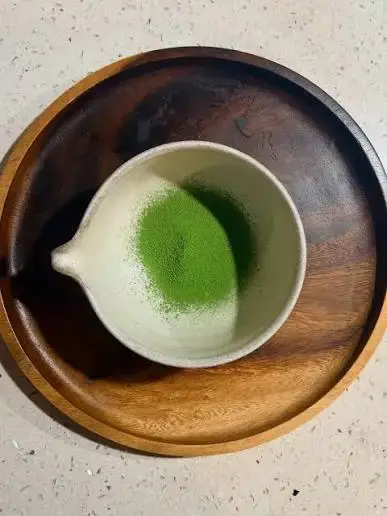
Water temperature matters more than many newcomers expect. Boiling water can make matcha seem more bitter and astringent. Water that has cooled slightly, generally around 175 degrees Fahrenheit, tends to bring forward a softer texture and more balanced umami. Use about two ounces of water for a traditional smaller serving, then whisk in a quick zigzag motion until a fine foam appears.
The goal is not perfection. It is to become familiar with what good matcha tastes like in its own right.
Café Matcha Is Growing Up
Cafés have helped make matcha approachable, particularly for people seeking an alternative to coffee. The next step is a more intentional menu. Rather than relying on heavily sweetened green drinks, thoughtful cafés are beginning to name the tea's origin, explain whether a drink is built around matcha or hojicha, and choose recipes that respect the ingredient.
For foodservice operators, this creates both an opportunity and a responsibility. Premium Japanese matcha costs more than anonymous powder, and it should. Shade growing requires planning and care, while stone grinding is slow by design. A café can make that investment work by using the right grade for the right application and training staff to prepare it consistently.
The answer is not always the most expensive matcha. A latte menu needs a powder with enough body and flavor to remain present alongside milk. A straight serving needs greater delicacy and balance. Honest menu language and reliable preparation build more trust than calling every green drink ceremonial.
Why Shade Growing Still Defines Quality
Matcha begins with tencha, tea leaves that are shaded before harvest. Reducing direct sunlight changes the way the plant develops, encouraging the qualities many people love in fine matcha: deep green color, savory umami, and a softer, rounder character. After harvest, the leaves are steamed, dried, and processed before being finely milled.
This is why matcha should not be judged by color alone. An unnaturally vivid powder may photograph well, but the fuller picture includes aroma, texture, sweetness, bitterness, and finish. Fresh matcha should smell inviting rather than stale. When whisked, it should feel fine on the palate, with an appealing balance rather than an aggressively bitter edge.
Freshness also depends on handling. Once opened, keep matcha tightly sealed away from light, heat, and strong odors. A refrigerator can be useful if the container is well sealed and allowed to come toward room temperature before opening, which helps prevent condensation. Buy an amount you can enjoy while it is at its best instead of saving a large tin indefinitely for a special occasion.
The Most Lasting Trend Is a More Personal Cup
There is room in the matcha world for first-time drinkers, traditional preparation, playful recipes, and serious collectors. The key is resisting the idea that one style must suit everyone. A weekday iced latte may be exactly right for a busy morning. A small bowl of whisked matcha may be better when you want to pause and notice the tea itself.
When choosing matcha, begin with the question you can actually answer: how do you want to drink it? Then look for transparent Japanese sourcing, a producer story you can trust, and a flavor profile that suits your palate. Terms such as “ceremonial” can be useful in context, but they are not a universal quality standard on their own. Region, freshness, processing, and honest sourcing reveal more.
The finest matcha trends do not ask tea to become something else. They invite us to notice what has always made it special: a shaded leaf, a skilled producer, warm water, a whisk, and a few unhurried minutes set aside for a cup with real character.
At Hasegawa Trading Co., we carefully select and source authentic Shizuoka matcha from our trusted Japanese tea producer. We offer a range of matcha grades to suit different tastes, purposes, and needs — from individual tea enthusiasts to cafés, restaurants, and businesses.
Whether you're looking for premium matcha to enjoy traditionally or quality matcha for everyday drinks and culinary creations, we have something for you.
Explore our matcha collection in our online shop and discover the right matcha for you. https://www.hasegawatradingco.com/category/matcha


Comments