
Exploring Authentic Japanese Tea: A Guide for Enthusiasts

Japanese tea is more than just a beverage; it is a cultural experience steeped in tradition and artistry. From the delicate flavors of matcha to the refreshing notes of sencha, each type of Japanese tea offers a unique journey for the senses. This guide aims to explore the rich world of authentic Japanese tea, providing enthusiasts with insights into its history, types, preparation methods, and the art of tea tasting.

The History of Japanese Tea
The story of Japanese tea begins in the early 9th century when Buddhist monks brought tea seeds from China to Japan. Initially, tea was consumed for its medicinal properties, but over time, it evolved into a cherished cultural practice.
The Influence of Zen Buddhism
Zen Buddhism played a significant role in shaping the tea culture in Japan. The practice of tea drinking became intertwined with Zen principles, emphasizing mindfulness and simplicity. This led to the development of the tea ceremony, known as "chanoyu," which embodies harmony, respect, purity, and tranquility.
The Rise of Matcha
Matcha, a powdered green tea, gained popularity during the 12th century. It became a staple in the tea ceremony and was favored by samurai and nobility. The meticulous process of growing, harvesting, and grinding matcha reflects the dedication to quality that characterizes Japanese tea culture.
Types of Japanese Tea
Japanese tea comes in various forms, each with distinct flavors and characteristics. Here are some of the most popular types:
Sencha
Sencha is the most widely consumed green tea in Japan. It is steamed during processing, which preserves its vibrant green color and fresh flavor. Sencha has a grassy aroma and a slightly sweet taste, making it a refreshing choice for daily consumption.
Matcha
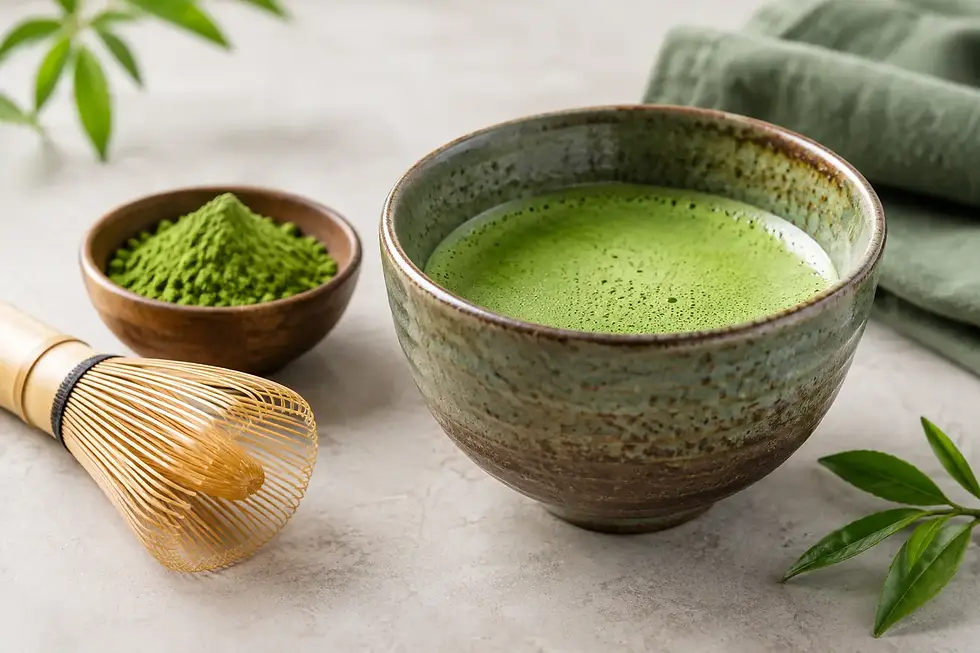
Matcha is a finely ground powder made from shade-grown tea leaves. It is known for its rich umami flavor and vibrant green color. Matcha is not only enjoyed in traditional tea ceremonies but also used in various culinary applications, including desserts and beverages.
Gyokuro
Gyokuro is a premium green tea that is shaded for several weeks before harvest. This process enhances its sweetness and umami flavor. Gyokuro is often considered one of the finest Japanese teas and is best enjoyed brewed at lower temperatures to highlight its delicate notes.
Hojicha
Hojicha is a roasted green tea that has a unique toasty flavor. The roasting process gives it a brown color and a warm, comforting aroma. Hojicha is lower in caffeine, making it an excellent choice for evening consumption.
Genmaicha
Genmaicha is a blend of green tea and roasted brown rice. This combination creates a nutty flavor profile that is both comforting and satisfying. Genmaicha is often referred to as "popcorn tea" due to the appearance of popped rice grains.
The Art of Preparing Japanese Tea
Preparing Japanese tea is an art form that requires attention to detail. Each type of tea has specific brewing guidelines to ensure the best flavor is extracted.
Tools Needed
To prepare authentic Japanese tea, you will need:
Kyusu: A traditional Japanese teapot, often made of clay or porcelain.
Chawan: A bowl used for whisking matcha.
Chasen: A bamboo whisk used to froth matcha.
Tea thermometer: To measure water temperature accurately.
Tea scale: For precise measurements of tea leaves.
Brewing Sencha
Measure the Tea: Use about 1 teaspoon (2 grams) of sencha per 100 ml of water.
Heat the Water: Bring water to about 70-80°C (158-176°F).
Steep: Pour the hot water over the tea leaves and steep for 1-2 minutes.
Serve: Pour the tea into cups, ensuring an even distribution of flavor.
Preparing Matcha
Measure the Matcha: Use about 1-2 grams of matcha powder.
Sift: Sift the matcha to remove clumps.
Add Water: Pour about 70 ml of hot water (80°C or 176°F) into the bowl.
Whisk: Use the chasen to whisk the matcha in a zigzag motion until frothy.
Serve: Enjoy the matcha directly from the bowl.
The Experience of Tea Tasting
Tea tasting is an essential part of appreciating Japanese tea. It involves engaging all the senses to fully experience the flavors and aromas.
Visual Assessment
Begin by observing the color of the tea. High-quality green tea should have a vibrant green hue, while roasted teas like hojicha will appear brownish.
Aroma Evaluation
Take a moment to inhale the aroma of the tea. Each type of tea has its unique scent profile, ranging from grassy and floral to nutty and toasty.
Flavor Profile
When tasting, take a small sip and let the tea coat your palate. Pay attention to the initial flavor, body, and aftertaste. Note any sweetness, bitterness, or umami that may arise.
Pairing with Food
Japanese tea can be paired with various foods to enhance the tasting experience. For example, matcha pairs well with sweets like mochi or wagashi, while hojicha complements savory dishes like grilled fish.
The Cultural Significance of Japanese Tea
Japanese tea is deeply embedded in the culture and daily life of the Japanese people. It is often served during gatherings, celebrations, and even in everyday moments.
Tea in Daily Life
In Japan, tea is more than just a drink; it is a symbol of hospitality. Offering tea to guests is a sign of respect and warmth. Many households have a designated tea time, where family members come together to enjoy tea and conversation.
The Tea Ceremony
The tea ceremony is a highly ritualized practice that emphasizes mindfulness and appreciation for the moment. It involves specific movements, utensils, and etiquette, creating a serene atmosphere for participants to connect with each other and the tea.
Conclusion
Exploring authentic Japanese tea is a journey that offers a glimpse into a rich cultural heritage. From understanding the history and types of tea to mastering the art of preparation and tasting, enthusiasts can deepen their appreciation for this beloved beverage. Whether you are sipping a cup of sencha in your home or participating in a traditional tea ceremony, the experience of Japanese tea is one that invites mindfulness and connection.
As you embark on your tea journey, remember to savor each sip and embrace the beauty of this ancient tradition.


Comments